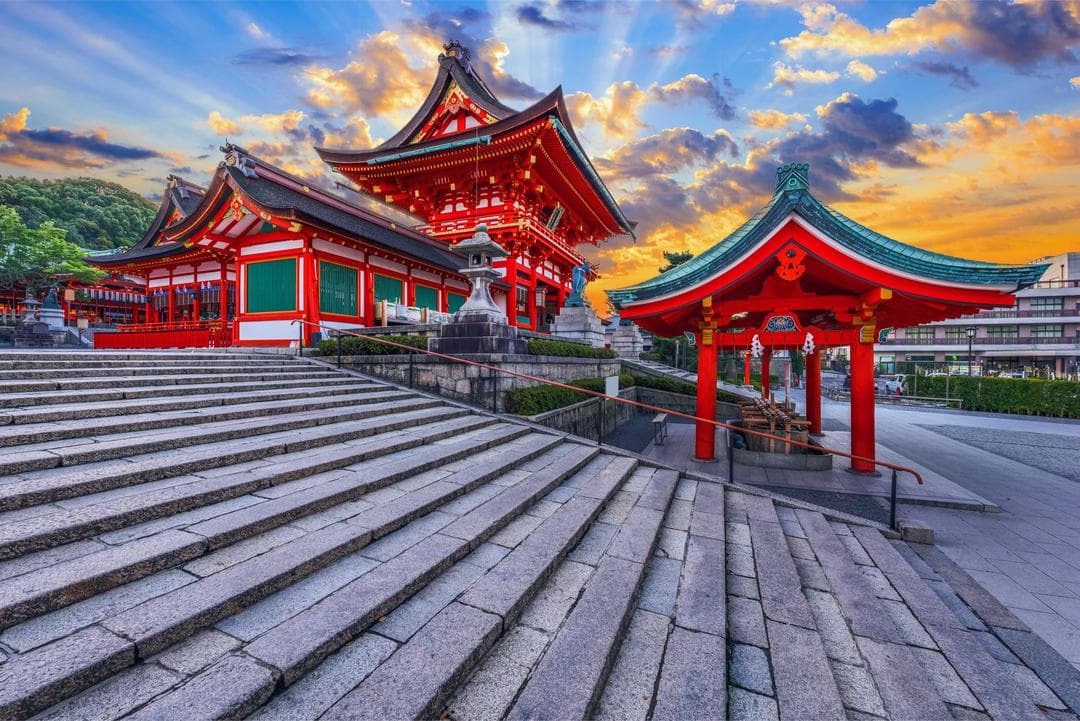
Japan’s history lives not only in textbooks but in the temples, castles, gardens, and preserved districts that continue to shape everyday life. From Kyoto’s serene wooden corridors to the towering fortresses of the Edo period, these locations reveal stories of artistry, belief, leadership, and cultural identity. This guide highlights ten of Japan’s most significant historical sites—places where architecture and tradition come together, offering visitors a powerful connection to the country’s past.
Japan’s Historical Heritage: UNESCO Sites & Cultural Preservation
Japan is home to one of the world’s most diverse collections of preserved cultural landmarks, including 25 UNESCO World Heritage Sites. These locations—ranging from architectural icons like Himeji Castle and Hōryū-ji to natural wonders such as Yakushima—highlight centuries of artistic development, spiritual practice, and community life.
Designations such as National Treasures and Important Cultural Properties further protect temples, shrines, sculptures, paintings, and traditional performing arts. Preservation efforts involve meticulous restoration, protective zoning, and close collaboration with local communities to maintain authenticity while welcoming visitors.
Japan’s approach to conservation is not only about protecting buildings; it ensures that traditional craftsmanship, belief systems, and historical knowledge continue to be passed down. For deeper insight, the UNESCO World Heritage Centre provides comprehensive information on Japan’s cultural and natural sites.
1. Nijō Castle (Kyoto)
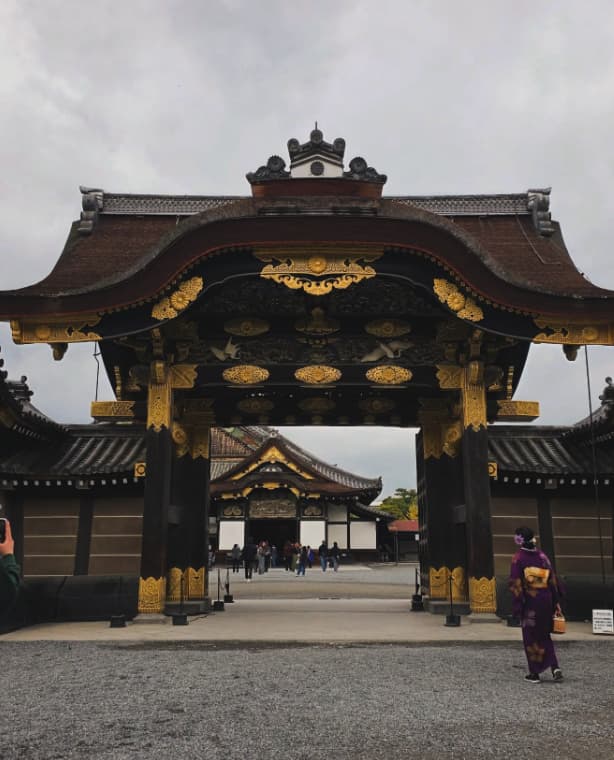
Nijō Castle is one of Kyoto’s most important historical landmarks, built in 1603 as the residence of Tokugawa Ieyasu, the first shōgun of the Edo period. Its richly decorated “nightingale floors,” painted sliding doors, and well-preserved Ninomaru Palace reveal the political power and artistic refinement of the era. The castle’s stone walls and wide moats showcase a defensive design rarely seen in Kyoto’s temple-centered landscape.
Midway through your visit, you can deepen the experience through
Nijo Castle tours, which offer cultural insight and historical context often missed during local guided tours and self-guided walks.
Outside the palace, expansive gardens display seasonal beauty—from early plum blossoms to vibrant autumn foliage—making the site a year-round highlight.
Hours: 8:45 a.m.–5:00 p.m. (last entry 4:00 p.m.)
Admission: ¥800 (grounds), ¥1,300 (with Ninomaru Palace)
Closed: December 29–31; palace closed select Tuesdays
2. Kiyomizu-dera (Kyoto)
Founded in 778, Kiyomizu-dera is one of Japan’s most beloved temples, known for its grand wooden veranda supported by hundreds of pillars rising above the hillside. Visitors enjoy panoramic views of Kyoto and a complex filled with pagodas, sub-temples, and the Jishu Shrine, dedicated to love and relationships. The nearby Otowa Waterfall attracts pilgrims to its three streams believed to grant longevity, academic success, and affection.
Kiyomizu-dera’s cultural value lies in its blend of spiritual practice, architectural ingenuity, and centuries of community devotion. Seasonal illuminations during spring cherry blossoms and autumn foliage make the temple especially breathtaking.
Hours: 6:00 a.m.–6:00 p.m. (longer during seasonal illuminations)
Admission: ¥400
3. Fushimi Inari Taisha (Kyoto)
Fushimi Inari Taisha is dedicated to Inari, the deity of rice, prosperity, and business. Its thousands of vermilion torii gates create the famous pathway up Mt. Inari—one of the most photographed and symbolic locations in Japan. The 4 km hiking loop passes through quiet forests, small shrines, fox statues, and lantern-lined paths, reflecting centuries of spiritual and cultural practice.
Dating back to the 8th century, Fushimi Inari remains one of Japan’s most active and historically meaningful Shinto shrines. Early morning visits offer the most peaceful atmosphere, ideal for understanding the shrine’s role in Japanese tradition.
Hours: Open 24 hours
Admission: Free
4. Himeji Castle (Hyōgo)
Himeji Castle, often called the “White Heron Castle,” is the finest surviving example of Japan’s feudal-era fortresses. Completed in 1609, it has never been destroyed or rebuilt, making it a rare original among Japanese castles. The castle’s bright white plaster walls, intricate defensive pathways, arrow slits, and fortified gates reveal the strategies and aesthetics of samurai leadership.
Inside, steep staircases and watchtowers give visitors an intimate understanding of castle life, while the surrounding Koko-en Garden enhances the experience with traditional landscaping and teahouses. Himeji Castle’s remarkable preservation offers a vivid look into Japan’s architectural and military heritage.
Hours: 9:00 a.m.–5:00 p.m. (last entry 4:00 p.m.)
Admission: ¥1,000 (castle), ¥1,050 (castle + Koko-en)
5. Itsukushima Shrine (Miyajima, Hiroshima)
Itsukushima Shrine is known worldwide for its “floating” torii gate—appearing to rise from the sea during high tide. Built in the 12th century, the shrine is a masterpiece of Shinto design, integrating architecture with the natural environment. Visitors explore raised corridors, prayer halls, and ritual performance stages, all constructed above the water.
Miyajima Island itself adds to the cultural experience, with sacred deer roaming the town and scenic trails leading to panoramic views of the Seto Inland Sea. The shrine’s combination of spirituality, scenography, and preservation makes it one of Japan’s most unforgettable historical locations.
Hours: 6:30 a.m.–6:00 p.m. (varies seasonally)
Admission: ¥300 (shrine), ¥500 (with treasure hall)
6. Hiroshima Peace Memorial Park & Museum (Hiroshima)
The Hiroshima Peace Memorial Park stands as a powerful place of reflection and learning. Centered around the Atomic Bomb Dome—one of the few structures left standing after the 1945 bombing—the park is dedicated to peace, remembrance, and nuclear disarmament. Monuments throughout the park honor children, families, and individuals affected by the tragedy.
The Peace Memorial Museum provides deeply moving exhibits, survivor testimonies, and historical documentation. Together, the park and museum offer essential context for understanding modern Japan and the global movement for peace.
Hours (Museum): 8:30 a.m.–6:00 p.m. (seasonal variations)
Admission: ¥200 (museum), park is free
7. Tōdai-ji Temple (Nara)
Tōdai-ji, founded in 752, is home to the Daibutsuden—the Great Buddha Hall—which once ranked as the world’s largest wooden building. Inside stands the Great Buddha, a 15-meter bronze statue representing compassion and enlightenment. The temple played a major role in shaping political and religious life during Japan’s early Buddhist history.
Surrounding the complex are sub-temples, lantern-filled paths, and Nara Park, where deer historically considered divine messengers roam freely. Tōdai-ji’s scale, spiritual significance, and craftsmanship make it a centerpiece of Japan’s historical landscape.
Hours: 8:00 a.m.–5:00 p.m. (seasonal variations)
Admission: ¥600
8. Kenroku-en Garden (Kanazawa)
Kenroku-en is celebrated as one of Japan’s Three Great Gardens, representing ideal landscape design based on six classical qualities: spaciousness, seclusion, antiquity, ingenuity, flowing water, and scenic views. Originating in the 17th century as part of Kanazawa Castle’s domain, the garden showcases ponds, stone lanterns, teahouses, and perfectly maintained pines.
Each season offers a different perspective: cherry blossoms in spring, irises in early summer, fiery foliage in fall, and the iconic winter yukitsuri—ropes that protect branches from heavy snow.
Hours:
Summer: 7:00 a.m.–6:00 p.m.
Winter: 8:00 a.m.–5:00 p.m.
Admission: ¥320
9. Shirakawa-go Historic Villages (Gifu)
Shirakawa-go is a UNESCO-listed village known for its gassho-zukuri farmhouses—steep thatched-roof homes designed to withstand deep winter snow. Many houses are over 250 years old, offering an intimate look at rural life, community traditions, and architectural ingenuity. Inside preserved homes such as Wada House, visitors see old hearths, tools, and multi-level living spaces once used by silk-farming families.
Set against dramatic mountain scenery, the village becomes especially enchanting in winter when roofs are covered in soft snow. Shirakawa-go remains one of Japan’s most culturally immersive destinations, where historic preservation and community life coexist.
Hours: Open 24 hours
Admission: Free (individual houses: ¥400–¥600)
10. Hōryū-ji Temple (Nara)
Hōryū-ji is one of the crown jewels of Japan’s historical heritage and home to some of the world’s oldest surviving wooden buildings. Founded in the 7th century by Prince Shōtoku, a key figure in early Japanese Buddhism, the temple demonstrates ancient architectural techniques and spiritual values that shaped the country’s identity.
The West Precinct features the Five-Story Pagoda and Main Hall—masterpieces of Asuka-period architecture. The East Precinct includes Yumedono, the Hall of Dreams, housing treasured Buddhist statues and artifacts. Museums throughout the grounds display sculptures, manuscripts, and cultural items designated National Treasures.
Hours: 8:00 a.m.–5:00 p.m.
Admission: ¥1,500