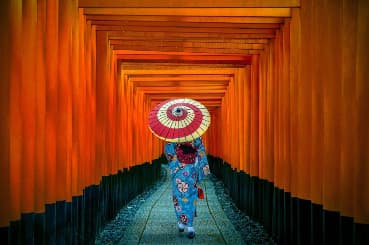
There is a particular magic in seeing Japanese culture come alive across Canada. It appears in lantern-lit evenings at Japan festivals Canada celebrates with growing enthusiasm, in the gentle reverence of Japanese traditional arts displayed in community centres, and in the unmistakable energy of contemporary Japanese pop culture Canada has warmly embraced. The cultural connection between these two nations is not accidental. It’s the result of decades of thoughtful collaboration, grassroots passion, and the organic curiosity Canadians have developed toward Japanese arts and culture.
As someone who has spent years observing these moments of cross cultural exchange, I’ve come to love the way they unfold-quietly at times, but always with sincerity. Japanese community Canada initiatives are more vibrant than ever, and the rhythm of cultural exchange festivals grows stronger each year. Whether through culinary experiences, visual arts, performances, or media, Japan’s influence touches every corner of Canadian multiculturalism. And these interactions, though often festive on the surface, play a deeper role. They help strengthen Japan Canada relations, foster understanding, and keep traditions alive in new environments.
Let’s take a closer look at how festivals, art, and media act as bridges-connecting not only countries but people, memories, and creative worlds.
Festivals as Living Gateways into Japanese Heritage and Community Connection
Walk into any of the multicultural festivals Canada hosts from coast to coast, and you’ll feel the unmistakable pulse of Japanese heritage events woven into the atmosphere. Canadian cities have become homes to an impressive variety of Japanese cultural events, many of them organised by dedicated groups within the Japanese community Canada nurtures with pride. These festivals offer so much more than entertainment; they are living cultural classrooms, accessible to anyone with curiosity and an open mind.
There’s a reason Japanese arts and culture resonate so strongly at these celebrations. Festivals create environments where tradition feels alive, not archived. The vibrant dance of taiko drums, the precision of martial arts demonstrations, the grace of classical dance, and the rich visual storytelling of kimono displays all work together to create an immersive experience.
Some of the elements that make these cultural exchange festivals deeply meaningful include:
- community involvement that brings together both Japanese-Canadian families and newcomers discovering the culture
- performances showcasing Japanese performing arts Canada audiences rarely get to experience elsewhere
- cultural exchange programs that highlight collaboration between Canadian and Japanese organisations
Each festival becomes a microcosm of Japan, recreated through shared effort and cultural diplomacy Japan has long valued. Through these events, Japanese traditional arts are given renewed life far from their geographical origins. Canadians, meanwhile, gain a chance to experience the subtle beauty and emotional richness of these traditions firsthand.
Of course, festivals aren’t only about looking back. They are also spaces where modern Japanese pop culture Canada loves finds a stage-cosplay contests, J-pop dance groups, anime screenings, and gaming corners highlight the youthful side of cultural exchange. And this blending of old and new is precisely what keeps the relationship between cultures dynamic rather than rigid.
The emotional atmosphere at these events is hard to describe to someone who has never attended one. You see grandparents teaching children how to fold origami cranes, teenagers explaining anime storylines to their parents, and community members laughing over shared meals of takoyaki or ramen. It’s in these interactions that the deeper layers of cultural understanding begin to form.
How Art Exhibitions and Creative Spaces Deepen Cultural Dialogue
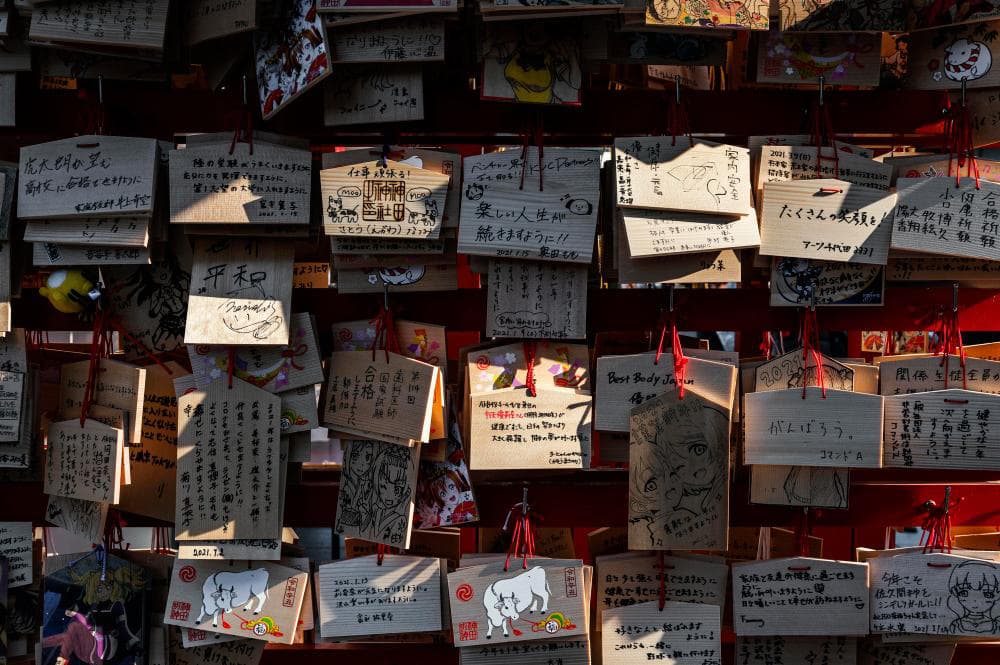
While festivals create bursts of celebration, Japanese art exhibitions Canada hosts throughout the year offer slower, more introspective experiences. These exhibitions highlight the depth and nuance of Japanese cultural expression-from calligraphy and ceramics to contemporary digital installations. They stand as reminders that cultural exchange is not limited to festivals; it continues in quiet galleries, through thoughtful curation and the work of skilled artists.
Art has always been a universal language, but Japanese arts and culture carry a particular ability to express emotion through restraint and simplicity. This resonates deeply with Canadian audiences, who often find the balance between stillness and detail refreshing.
Some of the common themes explored in these exhibitions include:
- nature as a guiding force in Japanese aesthetics
- the interplay between tradition and modernity in Japanese creative work
- the philosophy behind simplicity, impermanence, and visual storytelling
One of the most beautiful aspects of these exhibitions is how they reveal the continuity between past and present. Modern artists reinterpret classic techniques, bridging generational gaps and inviting viewers to appreciate how culture evolves without losing its essence. The result is an ongoing conversation between Canada and Japan-one where creativity becomes the translator.
These spaces also support Japanese culture promotion by offering artists opportunities to share their work outside of Japan. For many creators, showcasing art abroad isn’t just an achievement; it’s a way of participating in cultural diplomacy Japan embraces as part of its broader international outreach.
And the exchange goes both ways. Canadian artists influenced by Japanese themes contribute to a hybrid creative landscape, demonstrating how cultural ties can shape individual expression. Whether through ink painting, textile design, pottery, or interactive media, the dialogue expands with every exhibition.
Film also plays a meaningful role in this artistic conversation. Japanese film screenings, whether as part of a festival or as standalone events, allow audiences to dive into narratives shaped by Japanese sensibilities. These screenings introduce people to themes of family, duty, isolation, humor, transformation, and the delicate poetry of everyday life-concepts deeply embedded in Japanese storytelling.
The Influence of Media and Modern Cultural Exchange Across Borders
If festivals and art provide the physical spaces where cultural exchange blossoms, media serves as the constant thread weaving these experiences into daily life. Japanese media influence is strong in Canada—from anime and manga to music, cinema, and digital platforms. The accessibility of Japanese content has transformed how Canadians engage with the culture, creating opportunities for learning, appreciation, and community building without the limits of geography.
Anime fans gather in clubs and conventions, manga readers form their own communities, and cultural organisations use social media to share Japanese cultural education resources. This digital landscape expands Japan Canada relations far beyond traditional diplomacy. It turns cultural exchange into something organic, ongoing, and community driven.
A key reason Japanese pop culture Canada enjoys such widespread popularity is its emotional honesty and visual storytelling. These qualities appeal to audiences of all ages. They also act as an entry point for deeper exploration-someone who starts with anime may soon find themselves drawn to Japanese literature, cuisine, history, or language learning.
Here is where the true power of cross cultural exchange appears. Media doesn’t dictate how people experience Japan; it inspires them to explore further. Many learners begin studying Japanese simply because they feel a genuine connection to the narratives they consume.
Japanese culture promotion efforts in Canada often use media as a tool for engagement. Educational organisations offer workshops on filmmaking, pop culture analysis, and media literacy. Community groups host viewing parties and discussions. Schools incorporate Japanese studies into broader multicultural programs.
Media is no longer just entertainment-it’s a bridge that connects curiosity with cultural depth.
And what’s most fascinating is how seamlessly traditional and modern influences coexist. A young person might attend a tea ceremony one weekend and watch contemporary Japanese sci-fi dramas the next. They may admire ancient woodblock prints in a gallery while reading digital manga on their phone. This coexistence demonstrates that cultural exchange isn’t linear-it’s layered, fluid, and constantly renewing itself.