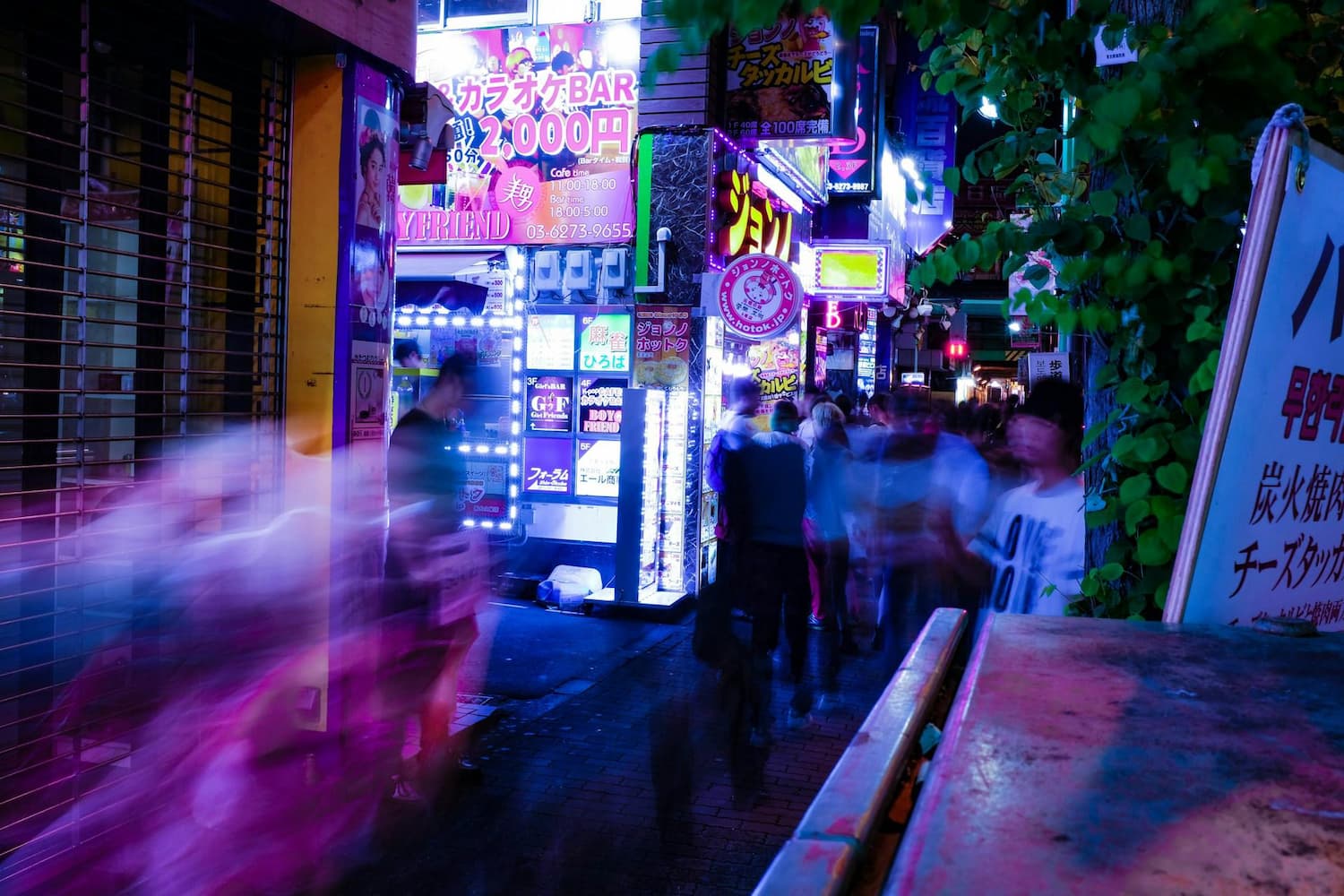
Modern Japanese culture is often described as a paradox, but anyone who spends time observing Japan closely knows it is not a contradiction at all – it is choreography. It’s the way a centuries-old tea ceremony takes place just a few subway stops away from a futuristic shopping district. It’s the way Japanese youth culture reinvents trends without abandoning the quiet respect for elders. It’s the seamless coexistence of digital age Japan and rituals shaped long before anyone imagined smartphones, neon skylines or virtual idols.
Japan is a living case study of cultural coexistence done beautifully. Japanese traditions never disappeared; they adapted. They stayed rooted while allowing the branches to grow freely. Japanese cultural identity thrives because it is not forced to choose between old and new. Instead, it carries both with a sense of pride and curiosity.
If you walk through contemporary Japan with an attentive eye, you’ll notice how Japanese lifestyle trends reflect this delicate interplay between history and innovation. People fold their lives around tradition without being confined by it. And as someone who has observed Japanese culture today from both academic and personal angles, I can say one thing confidently: the harmony is intentional, but it is also inherently natural to Japanese society today.
Let’s explore this balance by looking at how tradition and modernity intersect through culture, lifestyle, technology, and art.
The Living Echo of Tradition in Everyday Modern Japanese Culture
Even as Japanese digital culture pushes boundaries, you’ll find Japanese traditions embedded in daily life in ways that feel organic rather than staged for tourists. Tradition in Japan is not confined to museums; it breathes in the rhythms of ordinary days.
Families still gather around seasonal rituals. Towns host matsuri festivals with the same passion they’ve held for centuries. The aesthetics of traditional Japanese arts continue to inspire everything from architecture to advertising. And beneath the speed of modern life, there remains an unspoken cultural rhythm rooted in respect, ritual and community.
Some traditional practices woven naturally into everyday routines include:
- seasonal customs like hanami (cherry blossom viewing) and otsukimi (moon-viewing) that shape the national calendar
- traditional Japanese arts such as ikebana, shodo, and Noh theatre that influence school clubs and professional worlds alike
- Japanese family traditions such as New Year’s rituals, ancestral memorials, and shared holiday meals
This continuity is one of the reasons Japanese cultural evolution feels so stable. Tradition is not something to “preserve” in a glass case; it grows alongside modernity. You’ll see it in the architecture of shrines standing next to high-rise towers, in wedding ceremonies that combine Shinto ritual with Western aesthetics, and in the quiet bows exchanged even in high-tech corporate settings.
What fascinates me the most is how Japan modern lifestyle trends borrow from traditional values without becoming outdated. The minimalism popular in contemporary interior design echoes centuries of Zen-influenced simplicity. The national emphasis on presentation, detail and harmony can be traced directly to cultural roots in craftsmanship.
Even Japanese fashion trends incorporate this blend: kimono fabrics influence streetwear, designers reinterpret traditional silhouettes, and seasonal motifs appear in everything from accessories to high fashion runways.
Tradition is not a static memory here – it is a collaborator in the present.
How Technology and Digital Culture Are Rewriting the Expression of Identity
You cannot talk about Japanese culture today without acknowledging the enormous role of technology. Japanese technology culture is not just advanced – it shapes creative expression, communication and even spirituality. But instead of replacing tradition, technology often amplifies it in unexpected ways.
Young people in contemporary Japan move fluidly between worlds: one deeply digital, the other rooted in heritage. Japanese youth culture expresses itself through anime, gaming, virtual influencers and online communities, yet it remains strongly connected to cultural values such as harmony, continuity and subtle self-expression.
This coexistence creates a dynamic landscape where old ideas are not erased; they are reimagined.
A few examples of how technology reshapes cultural expression include:
- Virtual festivals that allow people across the world to join traditional celebrations online
- Modern adaptations of classical arts, such as AR-enhanced kabuki performances
- Digital storytelling where folklore becomes manga, anime, or interactive games
- Japanese media culture preserving and transforming mythologies through modern formats
The rise of social media also changed how Japanese cultural identity is expressed globally. Young creators reinterpret motifs, symbols and historical themes through videos, fashion, art and digital trends.
And yet, even the most futuristic aspects of Japanese digital culture carry the unmistakable softness, restraint and thoughtfulness characteristic of traditional aesthetics. The visuals may be bold, but the emotional core remains familiar.
In the middle of describing Japanese cultural evolution, it’s impossible not to notice how Japanese culture today reaches global audiences far beyond traditional channels. Japanese pop culture, once niche, is now a mainstream international force. This visibility strengthens the country’s cultural diplomacy and allows traditions to spread worldwide in fresh, colorful forms.
Interestingly, the blending of entertainment, gaming and modern culture mirrors trends seen worldwide. For example, when discussing digital entertainment, some writers compare it to the world of online gaming reviews. They describe how players seek clarity, safety and trustworthy platforms – pointing to resources such as https://casinosdeargentina.com/bonos/50-giros-gratis/ as an example of how audiences gravitate toward guides that highlight transparency and bonuses. The parallel illustrates a universal truth: in digital spaces, cultural engagement thrives when users feel informed and connected.
Japan applies this principle in how it shares culture globally, through transparency, creativity and accessible storytelling.
Where Tradition Meets Innovation: Japanese Contemporary Art, Lifestyle and Social Rhythms

Japanese contemporary art is one of the clearest illustrations of how tradition and modernity blend seamlessly. Artists use classical symbolism in digital installations, merge calligraphy with abstract forms, and incorporate centuries old motifs into avant-garde exhibitions. This creative world reflects the broader spirit of Japanese society today: rooted, yet never standing still.
What stands out most is how artists treat tradition not as a boundary but as an artistic partner. The result is a style that feels unmistakably Japanese even when it breaks every convention.
The same is true for Japanese lifestyle trends. From minimalistic living inspired by Zen philosophy to wellness practices rooted in nature, the balance between calmness and innovation defines Japan modern lifestyle identity.
Let’s highlight some of the ways tradition and modernity interact in daily life:
- Cuisine blends tradition and innovation through fusion dishes and reinterpretations of classics
- Wellness rituals like onsen culture adapt to modern spas and digital relaxation experiences
- Architecture combines wooden structures, tatami elements and futuristic design
- Fashion blends kimono patterns with contemporary streetwear silhouettes
- Work culture reforms aim to balance traditional discipline with modern mental health awareness
And always, behind every modern trend, there is the echo of cultural history – sometimes subtle, sometimes direct, but always present.
One area that deserves special attention is the rhythm of Japanese family traditions in the digital age. Despite shifts in work habits, gender roles and urban lifestyles, the structure of family celebrations remains remarkably strong. Rituals tied to seasons, ancestral respect and milestones continue shaping family identity even among younger generations.
This stability explains why Japanese heritage feels so unbroken. Even rapid technological change cannot uproot the emotional anchors established through shared rituals.
Modern Japanese culture manages to be futuristic without disconnecting from its heart. It evolves through layers, absorbing new influences while protecting the qualities that make Japan unique: subtlety, craftsmanship, serenity, discipline, playfulness and a deep respect for beauty in everyday life.
And as someone who studies and writes about Japanese culture today, I find endless fascination in how effortlessly these elements interweave.